

Father and Daughter Involved in Otay Valley Park E-Bike Crash
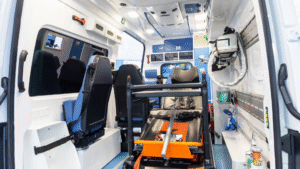
A father was seriously injured Friday night during an e-bike ride in Otay Valley Regional Park, prompting a large-scale rescue response, according to local news. The incident occurred around 8 p.m. near 235 Beyer Way when the man fell from his electric bike while riding with his teenage daughter along a remote trail near the Otay River and was unable to make it back due to his injuries. Crews placed the man on a stretcher and carried him to awaiting paramedics before transporting him by ground ambulance to a local hospital with moderate injuries. The teenage daughter wasn’t hurt, and San Diego police are investigating whether drugs or alcohol played a role in the fall.
There are many risks e-bike riders face when traveling on remote trails after dark, particularly in areas with uneven terrain and limited lighting. Falls involving e-bikes can result in significant injuries, especially when help is not immediately accessible and rescue crews must navigate difficult conditions to reach the victim. Families are often left dealing with sudden medical emergencies, logistical challenges, and questions about safety precautions or potential contributing factors. At Gershen Law, we understand how overwhelming recreational accidents can be for injured riders and their loved ones, and we are committed to helping families throughout San Diego County understand their rights and legal options. If you’ve been involved in a San Diego area e-bike accident, call us today at (619) 492-5526 to get your case heard.
Why the Right Lawyer Matters in an Otay Valley Park E-Bike Crash
An Otay Valley Park e-bike crash can present unique legal and factual challenges, and at Gershen Law we understand how important it is to approach these cases with precision and care. Remote trail incidents often involve complex rescue efforts, limited eyewitness accounts, and questions about terrain conditions or equipment performance. We move quickly to gather available evidence, review incident reports, and analyze whether hazardous conditions or defective components contributed to the fall. By conducting a thorough investigation early, we position our clients to pursue accountability with clarity and confidence.
We recognize that recreational accidents can result in unexpected medical expenses, lost income, and lasting physical limitations. Our team works closely with injured riders and their families to document the full scope of injuries, treatment needs, and long term effects on daily life. In addition, we carefully evaluate potential liability issues, whether they involve equipment manufacturers, property conditions, or other responsible parties. Through strategic advocacy and consistent communication, we help ensure our clients’ interests remain protected throughout the legal process.
Common Causes of Accidents at Otay Valley Park
Accidents at Otay Valley Park can occur in a variety of ways due to the park’s expansive trails, natural terrain, and recreational traffic. While the area offers scenic views and outdoor activities, certain conditions may increase the risk of injury. Understanding the common causes of incidents in the park helps visitors recognize potential hazards and take appropriate precautions. It also provides important context when evaluating whether negligence contributed to a preventable accident.
Uneven Terrain and Natural Trail Hazards
Natural landscapes often include uneven ground, loose gravel, exposed roots, and sudden elevation changes. These conditions can create instability for hikers, cyclists, and e-bike riders traveling along the trails. In some areas, erosion or water runoff may further weaken trail surfaces. Without careful navigation, these environmental factors can contribute to falls and collisions.
Limited Visibility Along Curved or Narrow Trails
Certain sections of Otay Valley Park include narrow paths or sharp curves that restrict visibility. When riders or pedestrians approach from opposite directions, limited sightlines may reduce reaction time. Additionally, overgrown vegetation can obstruct views of upcoming obstacles or other trail users. These visibility challenges may increase the likelihood of sudden impacts.
E-Bike and Bicycle-Related Incidents
The growing popularity of e-bikes has introduced additional speed and weight factors on shared-use trails. Riders traveling at higher speeds may struggle to stop quickly on uneven surfaces. Mechanical failures, including brake issues or battery malfunctions, can also contribute to serious accidents. When combined with crowded conditions, these factors may elevate the risk of injury.
Inexperienced Riders and Speed Misjudgment
Some riders may lack experience handling e-bikes on natural terrain. Misjudging speed, braking distance, or turning angles can lead to loss of control. Furthermore, inexperienced riders may underestimate how quickly conditions change along the trail. These miscalculations can result in falls or collisions with other visitors.
Poor Lighting and After-Dark Conditions
Lighting conditions play a significant role in recreational safety within the park. Trails may lack sufficient artificial lighting, particularly in remote areas near the river. As daylight fades, shadows and uneven ground become more difficult to detect. Reduced visibility after dark can increase the risk of missteps or unexpected crashes.
Limited Access for Emergency Response
Remote areas of Otay Valley Park may present logistical challenges during emergencies. Narrow trails and natural barriers can slow response times for first responders. When injuries occur in isolated locations, rescue efforts may require additional coordination and equipment. These factors can complicate an already serious situation.
Weather and Environmental Conditions
Weather conditions often influence trail safety throughout the year. Rain can create slippery surfaces, muddy pathways, and hidden hazards beneath pooled water. High temperatures may also contribute to dehydration or fatigue, which can impair judgment and coordination. Monitoring environmental conditions before visiting the park helps reduce preventable risks.
Shared Use Conflicts Between Trail Users
Otay Valley Park accommodates hikers, cyclists, joggers, and wildlife observers on shared trails. When users fail to communicate or follow trail etiquette, conflicts may arise. Faster moving riders may overtake pedestrians without sufficient warning. Clear awareness and responsible behavior from all users help minimize these preventable accidents.
Who May Be Liable After an Otay Valley Park Recreation Accident
Determining liability after an Otay Valley Park recreation accident requires a careful review of the specific circumstances surrounding the injury. While some incidents result from unavoidable natural conditions, others may involve preventable hazards or negligent conduct. Identifying the responsible party remains essential for pursuing compensation and ensuring accountability. A detailed investigation helps clarify whether one or multiple parties contributed to the accident.
Government Entities Responsible for Park Maintenance
Otay Valley Park operates under public oversight, which means government entities may bear responsibility for certain conditions. Public agencies generally have a duty to maintain reasonably safe premises and address known hazards within a reasonable timeframe. If officials fail to repair dangerous trail defects or provide adequate warnings, liability may arise under California law. However, claims against government bodies involve strict procedural rules and shortened deadlines.
Dangerous Conditions on Public Property
A dangerous condition may include broken pathways, unstable bridges, inadequate signage, or poorly maintained access points. When such hazards create an unreasonable risk of harm, the responsible agency may face legal exposure. Injured individuals must typically show that the agency knew or should have known about the condition. Proper documentation and timely notice play critical roles in these cases.
Negligent Riders or Other Park Visitors
Other visitors may also bear liability if their careless actions cause harm. Cyclists or e-bike riders who travel at unsafe speeds, ignore right-of-way rules, or fail to yield on shared trails may create dangerous situations. Likewise, pedestrians who act unpredictably or block pathways without awareness can contribute to collisions. Establishing fault requires evaluating witness statements, physical evidence, and applicable safety guidelines.
Failure to Follow Trail Etiquette and Safety Rules
Most parks encourage shared-use etiquette designed to reduce conflicts between users. When individuals disregard posted rules or fail to communicate while passing, accidents may occur. Failure to exercise reasonable caution under crowded conditions can support a negligence claim. Clear evidence of rule violations strengthens arguments for liability.
E-Bike or Equipment Manufacturers
Product defects may also contribute to an Otay Valley Park recreation accident. Faulty brakes, battery malfunctions, structural weaknesses, or defective components can cause sudden loss of control. In such situations, manufacturers or distributors may face product liability claims. These cases often require technical analysis and expert evaluation of the equipment involved.
Design Defects and Manufacturing Errors
A design defect may exist when a product remains unreasonably dangerous even when used as intended. Manufacturing errors can occur when a specific unit deviates from its intended design due to flaws in production. Additionally, inadequate warnings or instructions may create liability if users were not properly informed of risks. Thorough product inspection helps determine whether equipment failure played a role.
Third-Party Contractors or Maintenance Providers
In some cases, private contractors may handle park maintenance or construction projects. If a contractor performs negligent repairs, leaves debris on trails, or fails to secure work zones properly, liability may extend beyond the public entity. Contracts and maintenance records often clarify who held responsibility for specific areas at the time of the accident. Identifying third-party involvement ensures that all potentially liable parties are considered.
Shared Liability and Comparative Fault Considerations
Recreation accidents sometimes involve shared fault among multiple parties. California follows a comparative fault system, meaning each party may bear responsibility according to their percentage of negligence. Even if an injured person shares partial fault, they may still recover damages reduced by that percentage. Careful analysis of fault allocation helps protect the injured party’s financial recovery.
Understanding Compensation in an Otay Valley Park E-Bike Injury Claim
Understanding compensation in an Otay Valley Park e-bike injury claim requires a careful evaluation of how the accident has affected every area of a victim’s life. Recreational accidents often create unexpected medical expenses, lost income, and long term physical limitations. California law allows injured individuals to pursue damages when negligence or dangerous conditions contributed to the incident. A comprehensive claim should reflect both immediate financial losses and the broader personal impact of the injury.
Medical Expenses and Ongoing Treatment
Medical costs often represent the largest portion of an Otay Valley Park injury claim. Emergency transportation, hospital treatment, diagnostic testing, and follow up appointments can accumulate quickly. In addition, many victims require physical therapy, rehabilitation, or specialized care to regain strength and mobility. Accurately calculating both current and anticipated future medical needs ensures that settlement discussions account for the full scope of treatment.
Future Medical Care and Long Term Recovery
Some injuries sustained in park accidents require extended recovery periods or ongoing medical supervision. Fractures, head injuries, and spinal trauma may result in chronic pain or permanent impairment. Physicians may recommend additional procedures, long term therapy, or assistive devices to support recovery. Including projected medical expenses strengthens the overall compensation analysis.
Lost Income and Diminished Earning Capacity
An injury at Otay Valley Park may prevent victims from returning to work during recovery. Missed paychecks can create financial strain, particularly when medical bills continue to increase. Moreover, serious injuries may limit a person’s ability to perform physically demanding job duties in the future. Claims for diminished earning capacity address the long term financial impact of reduced work ability.
Impact on Career and Future Opportunities
Permanent physical limitations can alter career paths in meaningful ways. Some individuals may need to transition into lower paying roles due to medical restrictions. Others may lose opportunities for promotions or overtime income. Economic and vocational evaluations often help quantify these future losses.
Pain, Suffering, and Emotional Distress
Compensation in an Otay Valley Park injury claim may also include non economic damages. Physical pain, emotional trauma, and loss of enjoyment of recreational activities frequently follow serious accidents. These harms do not appear on invoices, yet they significantly affect daily life. Careful documentation helps demonstrate the depth of suffering experienced.
Psychological and Lifestyle Effects
Recreational accidents can leave lasting psychological consequences. Victims may experience anxiety, depression, or fear of returning to outdoor activities. In some cases, counseling or therapy becomes necessary to support recovery. Recognizing these emotional impacts ensures that the claim reflects the true human cost of the injury.
Property Damage and Out of Pocket Expenses
Injuries at Otay Valley Park may involve damage to personal property such as bicycles, e-bikes, helmets, or electronic devices. Repair or replacement costs should form part of the compensation analysis. Additionally, victims may incur travel expenses, medication costs, or other out of pocket expenditures related to treatment. Maintaining organized records helps support reimbursement for these financial losses.
Comprehensive Documentation Strengthens Recovery
Thorough documentation remains essential when pursuing compensation. Medical records, receipts, employment verification, and expert opinions all contribute to a well supported claim. Clear and consistent evidence enhances credibility during negotiations or litigation. A comprehensive approach increases the likelihood of achieving fair and appropriate recovery.
Government Liability Rules for Otay Valley Park E-Bike Crash Injury Cases
Government liability rules for Otay Valley Park e-bike injury cases differ significantly from claims against private individuals or businesses. Because Otay Valley Park is a public recreational area, claims may involve a city, county, or other public entity. California law provides specific procedures that injured individuals must follow before filing a lawsuit. Understanding these rules remains essential to preserving the right to pursue compensation.
The California Government Claims Act
The California Government Claims Act establishes strict requirements for bringing claims against public entities. Before filing a lawsuit, an injured person must first submit a formal government claim. This administrative claim outlines the facts of the incident, the injuries sustained, and the damages sought. Compliance with this process is mandatory and serves as a prerequisite to further legal action.
Strict Filing Deadlines
Government claims typically must be filed within six months of the date of injury. Missing this deadline can significantly limit or eliminate the ability to recover compensation. Although limited exceptions may apply, courts enforce these timelines strictly. Acting promptly after an Otay Valley Park injury remains critical to protecting legal rights.
Proving a Dangerous Condition on Public Property
To succeed in a government liability case, an injured party must generally prove that a dangerous condition existed on public property. This condition must have created a substantial risk of injury when used in a reasonably foreseeable manner. Additionally, the public entity must have known or reasonably should have known about the hazard. Establishing notice often requires reviewing maintenance records, prior complaints, or inspection reports.
Actual Notice Versus Constructive Notice
Actual notice occurs when a public entity receives direct knowledge of a hazardous condition. Constructive notice exists when the condition was present long enough that officials should have discovered it through reasonable inspection. Demonstrating constructive notice may involve showing inadequate maintenance practices or infrequent safety checks. Evidence supporting notice strengthens the overall claim.
Government Immunities and Legal Limitations
Public entities often assert statutory immunities that limit liability in certain situations. For example, California law provides recreational immunity protections in some circumstances involving public land. These protections may shield agencies from liability unless specific exceptions apply. Careful legal analysis helps determine whether immunity defenses may affect an Otay Valley Park injury case.
Design Immunity and Discretionary Decisions
Design immunity may protect public entities from liability related to approved infrastructure designs. If a trail, bridge, or park feature was built according to an approved plan, the agency may assert immunity. However, changed conditions or failure to address known hazards can weaken this defense. Evaluating engineering records and approval documentation often becomes necessary.
What to Know About E-Bike Safety Laws in San Diego Parks
Understanding e-bike safety laws in San Diego parks is essential for riders who want to avoid citations and reduce the risk of injury. Electric bicycles operate under specific classifications and usage rules that differ from traditional bicycles and motor vehicles. Riders who fail to follow these regulations may face penalties or increased liability after an accident. Familiarity with applicable laws helps promote safer shared use of park trails and recreational spaces.
E-Bike Classifications Under California Law
California law divides e-bikes into three distinct classes based on speed capability and motor assistance. Class 1 e-bikes provide pedal-assist only and stop assisting at 20 miles per hour. Class 2 models include throttle assistance but also stop at 20 miles per hour. Class 3 e-bikes provide pedal-assist up to 28 miles per hour and carry additional restrictions.
Where Different Classes May Operate
Not all e-bike classes are permitted on every trail or pathway. Many multi-use park trails allow Class 1 and Class 2 e-bikes but restrict Class 3 models due to higher speeds. Local ordinances may impose additional limitations depending on trail design and pedestrian traffic levels. Riders should review posted signage and municipal rules before entering park areas.
Helmet and Age Requirements
Helmet laws vary depending on the class of e-bike and the rider’s age. California requires riders under 18 to wear a properly fitted helmet on any class of e-bike. Additionally, riders operating Class 3 e-bikes must wear helmets regardless of age. Compliance with helmet requirements not only enhances safety but may also influence liability considerations after an accident.
Equipment and Labeling Requirements
State regulations require manufacturers to affix labels indicating the e-bike’s classification and top assisted speed. Riders must avoid modifying their e-bikes in ways that alter speed capabilities beyond legal limits. Tampering with motor systems or removing classification labels may result in citations or restricted trail access. Proper maintenance and lawful configuration support safe operation.
Trail Etiquette and Shared-Use Responsibilities
San Diego parks often feature shared-use trails designed for pedestrians, cyclists, and other recreational users. E-bike riders must yield appropriately, maintain safe speeds, and provide audible signals when passing others. Traveling at excessive speeds on crowded trails increases the risk of collisions and potential legal consequences. Practicing responsible trail etiquette reduces conflicts and promotes safer recreation.
Speed Control and Reckless Operation
Even when permitted on certain trails, e-bike riders must operate at reasonable speeds based on surrounding conditions. Narrow pathways, blind curves, and uneven terrain require additional caution. Reckless operation may expose riders to citations or civil liability if an accident occurs. Adjusting speed to match environmental conditions remains a critical safety practice.
Local Ordinances and Park-Specific Rules
In addition to state law, local governments may implement park-specific regulations governing e-bike use. Some areas may restrict motorized assistance in environmentally sensitive zones or high pedestrian traffic areas. Signage typically outlines these rules, and failure to comply may result in fines. Checking municipal websites or park information before riding helps ensure compliance.
Enforcement and Penalties
Law enforcement officers and park officials may issue citations for violations of e-bike regulations. Penalties can include fines, mandatory court appearances, or restricted access to certain areas. Repeated violations may lead to increased scrutiny in the event of a crash investigation. Observing all applicable safety laws helps protect both riders and other park visitors.

How San Diego Recreation Accident Attorneys Support Otay Valley Park
Recreational areas like Otay Valley Park provide residents and visitors with opportunities to enjoy outdoor activities, yet accidents can still occur despite safety precautions. When serious injuries happen on park trails or near river areas, victims often face medical, financial, and legal uncertainty. San Diego recreation accident attorneys help individuals and families understand their rights while navigating complex liability questions. Through careful investigation and structured advocacy, legal professionals support injured parties in seeking clarity and accountability.
Investigating Trail Conditions and Environmental Factors
A thorough investigation often begins with examining the physical conditions present at the time of the accident. Uneven terrain, loose gravel, inadequate signage, and limited lighting may contribute to falls or collisions. Attorneys gather photographs, maintenance records, and incident reports to evaluate whether hazardous conditions existed. This detailed review helps determine whether negligence or preventable safety issues played a role.
Reviewing Maintenance and Safety Protocols
Public parks typically operate under established maintenance and inspection procedures. Attorneys may review whether park authorities followed reasonable safety protocols for trail upkeep and hazard mitigation. In some cases, delayed repairs or insufficient warnings may increase the risk of injury. Careful analysis of these procedures can clarify whether standards were met.
Evaluating Equipment and Product Safety
Recreational accidents sometimes involve equipment failure, particularly with electric bicycles and other motorized devices. Attorneys assess whether defective components, battery malfunctions, or brake failures contributed to the incident. Product recalls, manufacturing defects, and inadequate warnings may all factor into liability. Identifying potential product issues expands the scope of accountability beyond the immediate circumstances.
Coordinating With Technical Experts
Technical experts often assist in evaluating mechanical performance and product integrity. Engineers and safety specialists can analyze whether equipment operated as intended at the time of the accident. Their findings may clarify whether a design flaw or manufacturing defect contributed to the injury. Expert insight strengthens claims involving complex technical questions.
Addressing Government Liability Considerations
Accidents occurring in public parks may involve government entities responsible for property maintenance. Claims against public agencies often require strict notice procedures and adherence to shortened filing deadlines. Attorneys help ensure compliance with these requirements while gathering evidence promptly. Understanding procedural rules protects injured individuals from losing the opportunity to pursue compensation.
Navigating Notice Requirements and Deadlines
Government claims frequently involve formal notice submissions within specific timeframes. Missing these deadlines can jeopardize a case before it begins. Attorneys carefully track filing requirements and prepare detailed notices that outline the basis of the claim. This organized approach safeguards the injured party’s legal rights.
Documenting Injuries and Long Term Impact
Comprehensive documentation of injuries remains essential in any recreation accident case. Attorneys collect medical records, diagnostic reports, and treatment plans to establish the severity of harm. They also evaluate how injuries affect employment, daily activities, and overall quality of life. Detailed documentation supports accurate calculation of damages and strengthens negotiations.
Supporting Ongoing Recovery Needs
Some recreational accidents result in long term physical or emotional consequences. Attorneys may work with healthcare providers to understand rehabilitation needs and projected future care costs. In addition, they assess whether injuries limit recreational participation or independent mobility. Recognizing these lasting effects ensures that claims reflect the full scope of impact experienced by the injured individual.
Contact an Experienced Otay Valley Park E-Bike Crash Lawyer Today
After an Otay Valley Park e-bike crash, securing experienced legal representation can make a meaningful difference in how your case progresses. At Gershen Law, we understand that accidents on remote trails often involve complicated facts, delayed emergency response, and serious injuries that require extensive medical care. We take a proactive approach by investigating the scene, reviewing rescue reports, examining equipment performance, and identifying all potential sources of liability. By building a well-supported claim from the outset, we work to protect our clients’ financial stability and long term recovery.
Our team at Gershen Law carefully documents every aspect of the claim, including emergency response records, diagnostic imaging, treatment plans, rehabilitation progress, lost wages, diminished earning capacity, pain and suffering, and any ongoing physical or emotional limitations caused by the crash. We work closely with medical providers and, when necessary, consult with experts to clearly explain the long term impact of the injuries. In addition, we handle negotiations strategically and prepare every case thoroughly in the event litigation becomes necessary, ensuring that our clients are never pressured into accepting less than they deserve. If you or a loved one has been injured in an Otay Valley Park e-bike crash, call us today (619) 492-5526 or fill out our online form for a free consultation and learn how we can help you move forward.