

Marine Missing After Training Accident Off San Diego Coast Declared Dead
A Marine who went missing following a training accident off the San Diego coast has been declared dead, according to the Los Angeles Times. The tragic incident has drawn attention to the dangers associated with military and maritime training exercises while investigators continue examining the circumstances surrounding the accident. Water-related incidents often leave families facing overwhelming emotional, financial, and legal challenges during an already difficult time. Serious boating accidents may involve complicated investigations, multiple responsible parties, and significant questions regarding liability. Understanding your legal rights after a devastating maritime accident can help protect your family’s future while the investigation moves forward.
At Gershen Law, we understand how life can change unexpectedly after a serious boating accident or other water-related tragedy. Our legal team works closely with injured victims and grieving families while pursuing the compensation they deserve under California law. We carefully investigate every case, gather important evidence, and communicate with insurance companies so our clients can focus on healing. Our attorneys remain committed to providing compassionate guidance and aggressive legal representation throughout every stage of the claims process. If you or someone you love has been affected by a serious boating accident, call us at (619) 492-5526 to schedule a free consultation.

Why You Need a San Diego Boat Accident Lawyer
At Gershen Law, our San Diego boat accident lawyer team understands the unique challenges maritime accident claims often present. We thoroughly investigate every case while gathering evidence that supports our clients’ claims for maximum compensation. Our attorneys work with accident reconstruction specialists, marine safety experts, and medical professionals whenever additional analysis strengthens a claim. We also communicate directly with insurance companies and opposing parties while protecting our clients’ interests throughout the legal process. Our goal remains helping injured individuals and families move forward with confidence while we pursue the financial recovery they deserve.
Boating accident claims frequently involve complicated liability questions, multiple insurance policies, and federal or state maritime regulations. We carefully evaluate every available source of evidence before developing a legal strategy tailored to each client’s circumstances. Our team calculates medical expenses, lost income, future treatment costs, pain and suffering, and other recoverable damages before presenting a comprehensive claim. We remain prepared to negotiate aggressively or proceed to litigation whenever necessary to protect our clients’ rights. Throughout every stage of the case, we remain committed to delivering responsive communication and dedicated legal advocacy.

Steps To Take Following a Serious San Diego Boating Incident
The actions you take after a serious boating accident can significantly affect both your recovery and your ability to pursue compensation. While every situation differs, following the appropriate steps helps protect your health while preserving important evidence. Taking prompt action also creates a stronger foundation if legal or insurance issues arise later. Understanding what to do after a San Diego boating incident allows injured individuals and their families to make informed decisions during a stressful and uncertain time. Remaining calm and organized often helps prevent unnecessary complications throughout the recovery process.
Prioritize Safety Immediately After the San Diego Boating Accident
Protecting yourself and everyone else involved should remain the highest priority following any boating accident. If conditions allow, move to a safe location away from immediate hazards while waiting for emergency responders. Avoid unnecessary movement if serious injuries are suspected unless remaining in place creates additional danger. Following emergency instructions helps reduce further risks while allowing rescue personnel to provide appropriate assistance. Prompt attention to safety protects everyone involved while supporting an effective emergency response.
Check for Injuries
Evaluate yourself and others for visible injuries while remaining as calm as possible. Some injuries may not appear immediately because adrenaline can temporarily mask pain and discomfort. Notify emergency responders about every injury, even if it initially seems minor. Early medical evaluation often identifies conditions requiring prompt treatment before they become more serious.
Do Not Ignore Delayed Symptoms
Head injuries, internal injuries, and soft tissue damage may develop symptoms hours after an accident. Seeking medical attention quickly helps protect both your health and your recovery.
Move to Safety When Possible
If the vessel remains in danger or continues taking on water, move carefully to a safer location when conditions allow. Always wear an approved life jacket if you must remain in or enter the water. Avoid placing yourself at additional risk while assisting others. Waiting for trained rescue personnel often remains the safest option during dangerous conditions.
Personal Safety Comes First
Helping others remains important, but you should avoid actions that place your own life at unnecessary risk. Emergency responders have specialized equipment designed for water rescues.
Report the San Diego Boating Incident
Promptly reporting a boating accident helps create an official record while allowing authorities to begin an investigation. Depending on the circumstances, local law enforcement, the California State Parks Division of Boating and Waterways, or the United States Coast Guard may respond. Accurate reporting also helps preserve important information regarding the accident. Official reports frequently become valuable evidence during insurance claims and legal proceedings.
Cooperate With Responding Authorities
Provide accurate factual information while answering questions from investigating officers. Avoid speculation regarding fault or the cause of the accident until all facts become known. Investigators rely upon accurate information while documenting the incident. Clear communication supports a more complete investigation.
Stick to the Facts
Provide only information you know with certainty during the initial investigation. Avoid making assumptions that may later prove inaccurate.
Seek Immediate Medical Care
Medical treatment should never be delayed after a serious boating accident, even if injuries initially appear minor. Water-related accidents often involve hidden injuries that become noticeable only after time has passed. Prompt medical care protects your health while creating documentation connecting your injuries to the incident. Consistent treatment also demonstrates the seriousness of your injuries throughout the claims process.
Follow Every Treatment Recommendation
Continue attending follow-up appointments, therapy sessions, and specialist visits recommended by your healthcare providers. Completing your treatment plan supports both your recovery and the documentation of your injuries. Interruptions in treatment may complicate future insurance discussions. Consistent care provides a clearer picture of your long-term medical needs.
Keep Copies of Medical Records
Medical records, diagnostic reports, prescriptions, and treatment bills provide important evidence after a boating accident. Organized documentation often strengthens future compensation claims.
Preserve Important Evidence
Strong evidence often plays a critical role when determining liability after a boating accident. Photographs, videos, damaged equipment, weather conditions, and witness information may all become valuable during an investigation. Collecting this information early helps preserve details that may disappear over time. Comprehensive documentation frequently strengthens insurance claims and legal proceedings.
Photograph the Accident Scene
Take photographs of the vessel, visible damage, surrounding water conditions, safety equipment, weather, and any visible injuries if you can do so safely. Images captured immediately after the accident often provide valuable context during later investigations. Multiple angles help document the full extent of the incident. Clear photographs frequently become persuasive evidence.
Document Changing Conditions
Weather, water movement, and vessel positions may change quickly after an accident. Early photographs help preserve important details before they disappear.
Collect Witness Information
Independent witnesses often provide valuable observations regarding how the boating accident occurred. Gather names, phone numbers, and contact information whenever possible. Witness statements may later support your version of events if liability becomes disputed. Accurate contact information also allows investigators to follow up when necessary.
Witnesses May Strengthen Your Claim
Objective observations often reinforce physical evidence gathered after an accident. Independent testimony frequently becomes valuable during negotiations.
Be Careful When Speaking With Insurance Companies
Insurance representatives may contact injured individuals soon after a boating accident. Although these conversations may seem routine, insurers generally evaluate claims while protecting their financial interests. Carefully consider your responses before providing detailed statements about the accident. Remaining cautious helps protect your legal rights while your injuries and damages continue to develop.
Avoid Accepting Early Settlement Offers
Insurance companies sometimes present settlement offers before the full extent of injuries becomes known. Early offers may not account for future medical treatment, lost income, or ongoing recovery needs. Carefully reviewing any offer helps prevent accepting less compensation than your claim may warrant. Patience often supports a more accurate evaluation of your damages.
Understand the Full Value of Your Losses
A settlement should reflect both immediate expenses and long-term financial consequences. Careful evaluation helps ensure important damages remain included.
Keep Detailed Records Throughout Your Recovery
Organized documentation helps demonstrate how the accident continues affecting your daily life. Save medical bills, repair estimates, receipts, insurance correspondence, employment records, and photographs throughout your recovery. Keeping detailed records also simplifies communication during the claims process. Thorough documentation frequently strengthens compensation claims.
Maintain a Personal Recovery Journal
Record your symptoms, medical appointments, physical limitations, emotional challenges, and daily progress throughout your recovery. Personal notes often illustrate how injuries affect everyday activities over time. This information may support claims involving pain, suffering, and reduced quality of life. Consistent documentation provides valuable insight into your recovery journey.
Small Details Can Become Important
Daily challenges often demonstrate the true impact of serious injuries. Written records help preserve details that might otherwise be forgotten.
Understand Your Legal Options After a San Diego Boating Accident
Every boating accident presents unique facts that influence liability, available compensation, and the legal process. Understanding your rights early allows you to make informed decisions while protecting important evidence and legal deadlines. Prompt action often creates stronger opportunities to investigate the accident thoroughly. Knowing your available options also provides greater confidence while moving forward after a serious maritime incident.
Learn About Applicable Maritime and California Laws
Boating accidents may involve California law, federal maritime law, or both depending on where the incident occurred. The applicable legal framework may affect liability, available damages, and procedural requirements. Understanding these issues helps injured individuals better evaluate their claims. Every case deserves careful legal analysis based on its specific circumstances.
Every Boating Accident Is Different
No two boating accidents involve exactly the same facts or legal issues. Careful evaluation helps determine the most appropriate path forward after a serious incident.
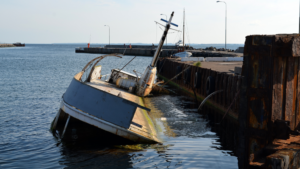
When Multiple Parties May Be Liable for a San Diego Maritime Accident
Determining liability after a serious boating or maritime accident is not always as straightforward as identifying a single negligent individual. Many maritime incidents involve several people, businesses, or organizations whose actions may have contributed to the accident. Identifying every potentially responsible party remains important because doing so may affect the amount of compensation available to injured victims and their families. Thorough investigations frequently uncover evidence that would otherwise remain overlooked. Understanding how liability works following a San Diego maritime accident helps individuals make informed decisions throughout the legal process.
Boat Operators May Be Responsible for Negligent Actions
Boat operators have a legal responsibility to operate their vessels safely while protecting passengers and others sharing the water. Failing to follow navigation rules, operating under the influence, traveling at unsafe speeds, or becoming distracted may all contribute to serious maritime accidents. Negligent operation frequently serves as one of the leading causes of preventable boating incidents. Careful investigation helps determine whether an operator’s decisions contributed to the collision.
Operating a Vessel While Impaired
Alcohol and drug impairment reduce judgment, slow reaction times, and increase the likelihood of serious boating accidents. California enforces laws prohibiting impaired vessel operation to help protect everyone using local waterways. Investigators often examine toxicology reports and witness statements when impairment becomes a concern. These findings may play an important role when determining liability.
Impairment May Affect Multiple Decisions
Poor judgment often influences speed, navigation, and emergency response. A single unsafe decision may quickly lead to catastrophic consequences.
Failing To Follow Navigation Rules
Boaters must follow established navigation rules designed to reduce collisions and improve safety on the water. Ignoring right-of-way requirements or failing to maintain a proper lookout may increase accident risks. Investigators carefully evaluate whether operators complied with these important safety obligations. Violations frequently support negligence claims following serious accidents.
Navigation Rules Promote Waterway Safety
Following established boating rules helps reduce confusion and prevent avoidable collisions. Every operator shares responsibility for maintaining safe conditions.
Vessel Owners May Share Liability
The individual operating a vessel is not always the only party responsible for a boating accident. Vessel owners have important responsibilities involving maintenance, inspections, and allowing only qualified individuals to operate their boats. Neglecting these responsibilities may create dangerous conditions that contribute to serious accidents. Owners sometimes share liability even when someone else operated the vessel.
Allowing Inexperienced Operators To Use the Vessel
Permitting an inexperienced or unqualified person to operate a boat may expose others to unnecessary danger. Owners should ensure operators understand safe boating practices before allowing them to take control. Failing to exercise reasonable care may contribute to liability if an accident occurs. Careful investigation often examines these circumstances closely.
Experience Matters on the Water
Safe vessel operation requires knowledge, preparation, and sound judgment. Inexperienced operators may struggle during changing water conditions or emergencies.
Failing To Maintain the Vessel
Routine inspections and maintenance help ensure boats remain safe for operation. Mechanical failures involving steering systems, engines, electrical equipment, or safety devices sometimes contribute to preventable accidents. Investigators frequently review maintenance records while determining whether proper repairs occurred. Poor maintenance may establish liability against the vessel owner.
Maintenance Protects Everyone Aboard
Routine inspections often identify problems before they create dangerous situations. Proper maintenance reduces the likelihood of unexpected equipment failures.
Equipment Manufacturers May Be Responsible
Some maritime accidents occur because critical boat components fail despite proper operation and maintenance. Defective steering systems, fuel systems, flotation devices, electrical equipment, or navigation controls may contribute to catastrophic incidents. Manufacturers may face liability if defective products caused or worsened an accident. Product investigations frequently involve engineering analysis and technical evaluations.
Defective Boat Components
Manufacturing defects sometimes prevent equipment from functioning as intended during normal operation. A single defective component may create hazardous conditions that place everyone aboard at risk. Investigators examine damaged equipment while determining whether product defects contributed to the accident. Technical evidence often plays an important role during these claims.
Product Safety Remains Essential
Boating equipment should perform safely when used as intended. Defective products may create risks that operators cannot reasonably anticipate.
Defective Safety Equipment
Life jackets, fire extinguishers, emergency communication devices, and other safety equipment should function properly during emergencies. Defective safety equipment may increase injuries when accidents occur. Product failures sometimes become important factors during maritime investigations. Careful evaluation helps determine whether manufacturers share liability.
Reliable Safety Equipment Saves Lives
Properly functioning safety equipment improves emergency response during boating accidents. Equipment failures may significantly worsen injuries or outcomes.
Rental Companies and Commercial Operators May Be Liable
Many boating accidents involve rented vessels, charter boats, sightseeing operations, or other commercial watercraft. Businesses operating these services must maintain safe vessels while following applicable regulations. Failing to inspect equipment, train employees, or warn customers about known hazards may contribute to liability. Commercial operators often owe significant safety obligations to passengers.
Negligent Vessel Maintenance
Rental companies should inspect vessels regularly while repairing known mechanical problems before allowing customers to operate them. Ignoring maintenance issues may expose customers to unnecessary risks. Maintenance records frequently become important evidence during these cases. Proper inspections help reduce preventable accidents.
Safe Equipment Protects Customers
Businesses should provide vessels that remain safe for normal operation. Preventive maintenance protects both customers and employees.
Inadequate Safety Instructions
Some boating accidents occur after operators receive little or no instruction before departing. Rental businesses should explain vessel operation, emergency procedures, and applicable safety requirements. Clear instructions help customers operate unfamiliar equipment more safely. Failure to provide adequate guidance may contribute to liability.
Preparation Improves Safety
Well-informed operators generally make better decisions while navigating unfamiliar waterways. Safety briefings often reduce preventable accidents.
Government Agencies May Occasionally Share Responsibility
Certain maritime accidents involve unsafe public waterways, damaged navigational markers, or improperly maintained government facilities. Government agencies responsible for maintaining these areas sometimes face liability under limited circumstances. Claims involving public entities often involve unique legal requirements and strict filing deadlines. Prompt investigation remains especially important in these cases.
Hazardous Waterway Conditions
Missing channel markers, damaged docks, unsafe launch ramps, or poorly maintained public facilities may contribute to boating accidents. Investigators carefully evaluate whether hazardous conditions played a role in the incident. Maintenance records and inspection reports may become valuable evidence. These cases often require detailed legal analysis.
Government Claims Follow Different Rules
Claims involving public agencies frequently involve shorter deadlines than other personal injury cases. Understanding these requirements helps protect important legal rights.
Determining Liability Requires a Thorough Investigation
Identifying every responsible party often requires extensive evidence collection and careful legal analysis. Investigators may review accident reports, maintenance records, witness statements, electronic navigation data, surveillance footage, and expert opinions before determining liability. Every source of evidence contributes to a more complete understanding of how the accident occurred. Thorough investigations frequently uncover additional parties who may share legal responsibility.
Every Case Presents Unique Circumstances
No two maritime accidents involve identical facts or legal issues. The specific location, vessel type, weather conditions, and actions of those involved all influence liability. Careful evaluation helps determine the most appropriate legal approach for each claim. Comprehensive investigations provide the strongest foundation for pursuing fair compensation.
Multiple Liable Parties May Increase Available Compensation
Identifying every responsible party helps ensure injured individuals pursue compensation from all available sources. Thorough investigations often strengthen claims while improving opportunities for financial recovery.

Recovering Compensation After a San Diego Maritime Accident
A serious maritime accident can affect nearly every aspect of an injured person’s life, from physical recovery to long-term financial stability. Medical expenses, lost income, property damage, and emotional hardships often continue long after the accident itself. Understanding the types of compensation that may be available helps injured individuals make informed decisions while pursuing a claim. Every maritime accident presents unique circumstances that influence the damages a person may recover. A thorough evaluation of every loss helps ensure the claim reflects both current and future needs.
Medical Expenses Following a San Diego Maritime Accident
Medical treatment often represents the largest financial burden after a serious boating accident. Compensation may include emergency transportation, hospital care, surgeries, physician visits, rehabilitation, prescription medications, and anticipated future medical treatment. Maintaining complete medical documentation helps demonstrate the extent of injuries and associated expenses. Thorough records also provide important support during settlement negotiations or litigation. Every medical expense related to the accident deserves careful consideration.
Emergency Medical Treatment
Emergency responders frequently provide lifesaving care immediately after a maritime accident. Ambulance transportation, emergency room evaluations, diagnostic testing, and surgical procedures often create significant expenses within the first few days. These costs generally become an important part of an injury claim. Prompt treatment also creates valuable medical documentation connecting injuries to the accident.
Immediate Care Protects Your Health
Seeking prompt medical treatment improves recovery while creating important evidence for a potential claim. Early documentation often strengthens later negotiations with insurance companies.
Ongoing Rehabilitation
Many boating accident victims require continued treatment long after leaving the hospital. Physical therapy, occupational therapy, pain management, and specialist appointments often remain necessary throughout recovery. These future medical expenses should receive careful consideration before resolving a claim. Long-term treatment frequently represents a substantial portion of total damages.
Future Medical Needs Matter
Recovery does not always end after initial treatment concludes. Compensation should account for reasonably anticipated future healthcare expenses whenever appropriate.
Lost Income and Reduced Earning Capacity
Serious maritime injuries often prevent individuals from returning to work for extended periods. Some victims permanently lose the ability to perform their previous occupations because of lasting physical limitations. Compensation may include both income already lost and reductions in future earning capacity. Careful financial analysis helps calculate these losses accurately. Every employment-related loss deserves thorough evaluation.
Recovering Lost Wages
Time away from work frequently creates immediate financial hardship for injured individuals and their families. Paychecks, overtime opportunities, bonuses, commissions, and employment benefits may all qualify as recoverable losses. Employment records help establish the financial impact of missed work. Comprehensive documentation strengthens claims involving wage-related damages.
Lost Income Extends Beyond Salary
Many employment benefits have measurable financial value. Complete claims should consider every source of lost compensation.
Future Earning Potential
Permanent injuries sometimes require career changes or reduced work responsibilities. These limitations may significantly affect lifetime earning potential. Financial experts occasionally evaluate these losses when preparing complex injury claims. Long-term financial consequences deserve careful consideration before accepting any settlement.
Career Limitations Affect Financial Stability
Reduced earning capacity may continue long after physical recovery begins. Future financial losses often represent an important category of damages.
Property Damage and Personal Belongings
Boating accidents frequently damage or destroy valuable property in addition to causing personal injuries. Compensation may include repairs or replacement of vessels, electronics, fishing equipment, personal belongings, and safety gear. Thorough documentation helps establish the value of damaged property. Photographs, receipts, and repair estimates frequently support these claims. Every damaged item should receive careful evaluation.
Repairing or Replacing a Vessel
Some boats sustain repairable damage, while others become total losses after serious accidents. Repair estimates, replacement values, and inspection reports often determine the amount of recoverable compensation. Independent evaluations may become necessary if disputes arise. Accurate valuations help protect financial recovery.
Vessel Values Should Be Carefully Evaluated
Fair market value and repair costs often influence compensation. Careful documentation helps avoid undervalued property damage claims.
Recovering Personal Property Losses
Cellphones, computers, jewelry, safety equipment, fishing gear, and other belongings frequently sustain damage during maritime accidents. These losses often represent significant financial investments beyond the vessel itself. Keeping receipts and photographs helps establish their value. Complete claims should address every documented property loss.
Small Losses Can Add Up
Multiple damaged items may substantially increase the total value of a claim. Comprehensive documentation strengthens requests for reimbursement.
Pain and Suffering After a San Diego Maritime Accident
Not every loss resulting from a boating accident carries a direct financial cost. Serious injuries often affect mobility, independence, emotional well-being, family relationships, and overall quality of life. Compensation for pain and suffering recognizes these important non-economic damages. Careful documentation helps demonstrate how injuries continue affecting everyday life. These damages frequently represent a significant portion of serious injury claims.
Physical Pain and Limitations
Many maritime accident victims experience ongoing pain long after the initial accident occurs. Daily activities may become more difficult while recovery continues over months or years. Medical records and physician evaluations help document these lasting effects. Comprehensive claims should accurately reflect these physical challenges.
Recovery Extends Beyond Medical Treatment
Physical healing often continues well after hospital discharge. Compensation should reflect the lasting impact serious injuries may create.
Emotional and Psychological Effects
Traumatic boating accidents may leave lasting emotional consequences alongside physical injuries. Anxiety, depression, sleep disturbances, and fear of returning to the water sometimes affect victims for extended periods. Mental health treatment may become an important part of recovery. Emotional hardships deserve careful consideration during compensation evaluations.
Emotional Recovery Is Important
Mental health challenges frequently affect overall recovery. Every aspect of an injury deserves appropriate legal consideration.
Wrongful Death Compensation Following a San Diego Maritime Accident
Some maritime accidents tragically result in the loss of a loved one. Eligible surviving family members may pursue compensation for funeral expenses, loss of financial support, loss of companionship, and other legally recognized damages. Although financial compensation cannot replace a loved one, it may reduce certain burdens during an incredibly difficult time. Wrongful death claims require careful legal evaluation based upon the unique circumstances surrounding each loss. Every family deserves compassionate guidance throughout this process.
Funeral and Burial Expenses
Unexpected funeral costs often create additional financial hardship after a fatal boating accident. Compensation may include reasonable funeral, burial, cremation, and related expenses. Careful documentation supports these claims during settlement discussions. These expenses frequently become part of a broader wrongful death action.
Families Should Not Face Financial Burdens Alone
Unexpected expenses often arise immediately following a tragic loss. Financial recovery may help reduce some of these unavoidable costs.
Loss of Financial and Emotional Support
The death of a family member frequently affects household finances and emotional well-being for years. Surviving loved ones may lose future income, guidance, companionship, and other important forms of support. These losses often represent substantial damages in wrongful death claims. Every family’s circumstances deserve individualized evaluation.
Every Family Experiences Loss Differently
Financial and emotional impacts vary from one family to another. Careful analysis helps determine the appropriate measure of recoverable damages.
Factors That May Affect Compensation After a San Diego Maritime Accident
Several factors influence the amount of compensation available following a boating accident. The severity of injuries, available insurance coverage, liability determinations, medical documentation, and applicable maritime laws all play important roles. Strong evidence often improves opportunities for a favorable outcome during settlement negotiations. Thorough preparation also strengthens claims if litigation becomes necessary. Understanding these factors helps injured individuals better prepare for the legal process.
Comparative Fault Considerations
Some maritime accidents involve shared responsibility among multiple individuals or organizations. Liability percentages may influence the amount of compensation available depending on the applicable law. Investigators carefully evaluate evidence before assigning responsibility. Accurate liability determinations remain essential throughout every claim.
Evidence Influences Fault Determinations
Strong documentation often helps establish responsibility more accurately. Thorough investigations support fair compensation evaluations.
Building a Strong Compensation Claim
Recovering fair compensation requires careful preparation, detailed documentation, and a comprehensive understanding of the accident’s impact. Medical records, employment information, expert opinions, witness statements, and financial documentation all contribute to a stronger claim. Organized evidence helps demonstrate the full extent of both economic and non-economic damages. Comprehensive preparation also improves opportunities for productive settlement negotiations. Every piece of supporting evidence strengthens the overall presentation of a maritime injury claim.
Comprehensive Documentation Makes a Difference
Accurate records provide the foundation for successful compensation claims. Maintaining organized documentation helps demonstrate both immediate and long-term losses. Thorough preparation frequently improves communication with insurers and other parties involved in the claim. Every document contributes to a clearer understanding of the damages suffered.
Strong Documentation Supports Stronger Claims
Detailed evidence helps establish the full value of an injury claim. Careful preparation often improves opportunities for meaningful financial recovery.

Contact an Experienced San Diego Boat Accident Lawyer Today
Recovering after a serious boating accident often requires experienced legal guidance alongside ongoing medical care and emotional support. Our attorneys explain every stage of the legal process while answering your questions with clear and straightforward advice. We develop personalized legal strategies designed to reflect your unique circumstances and long-term recovery needs. Every client receives individualized attention because we understand that no two accident cases are exactly alike. We remain committed to protecting your rights while pursuing the best possible outcome for your case.
Gershen Law proudly represents individuals and families throughout San Diego following serious boating accidents and other maritime injury cases. We work tirelessly to pursue accountability while seeking the financial compensation our clients deserve for their injuries and losses. Our legal team remains dedicated to providing compassionate service, thorough preparation, and determined advocacy from beginning to end. Call us at (619) 492-5526 or reach out online today to schedule your free consultation with an experienced San Diego boat accident lawyer.